




Conditions / Anal Fistula

Anal Fistula

An anal fistula is an abnormal channel that forms between the anal canal and the skin. The information below offers a general overview; a definitive assessment requires an examination.

Overview

An anal fistula is a channel that forms in the tissue around the anus and usually opens onto the surface of the skin.

The path and location of fistulas vary from patient to patient. This variation is why each assessment is tailored to the individual.
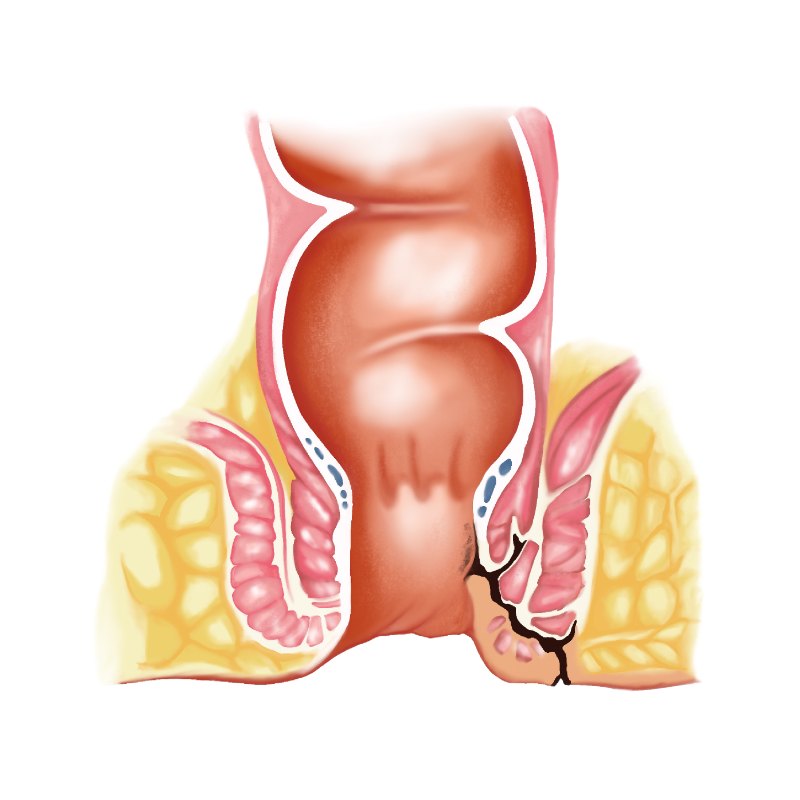
Schematic drawing showing a channel running between an inner and an outer point around the anus
Illustrative drawing — for general information only; this is not a diagnostic tool.

Symptoms

Symptoms that may be associated with an anal fistula vary from person to person. The most commonly reported include:

Having these symptoms does not on its own mean you have an anal fistula; they can also have other causes.

Causes / Risk Factors

An anal fistula is often associated with a previous episode of inflammation around the anus.

In some patients, other underlying conditions may also be involved; this is clarified through clinical assessment.

Having these factors does not mean the condition will develop; they are simply commonly observed associations.

How Is It Assessed?

Assessing a suspected anal fistula involves listening to what the patient describes, followed by an appropriate examination. Understanding the path of the channel is important for planning the approach.

Learn about the assessment process

Treatment Approach

With an anal fistula, the approach depends on the location of the channel and the patient's condition. For this reason, the plan is determined individually after an assessment.

The appropriate approach is determined individually, after an examination and clinical assessment.

Learn about our treatment approach

Daily Life

Local hygiene and bowel habits can play a supportive role throughout the process. Recommendations vary according to the patient's condition.

Frequently Asked Questions

A fistula channel is not expected to close permanently on its own. If symptoms keep coming back, an assessment is important.

Some symptoms can be similar. The two are different conditions, and an examination makes the distinction.

It depends on the patient's condition. It wouldn't be right to give a timeframe before an examination.

Related Content

Next Step

How Can We Help You?

For more information, you can message us on WhatsApp or call the clinic.

Contact

Contact

Feel free to get in touch with any questions.

Opening hoursMonday – Saturday 09:00–18:00
Closed on Sundays
Reach us by WhatsApp or phone
Call WhatsApp